pigfarmer
tall, thin, irritable
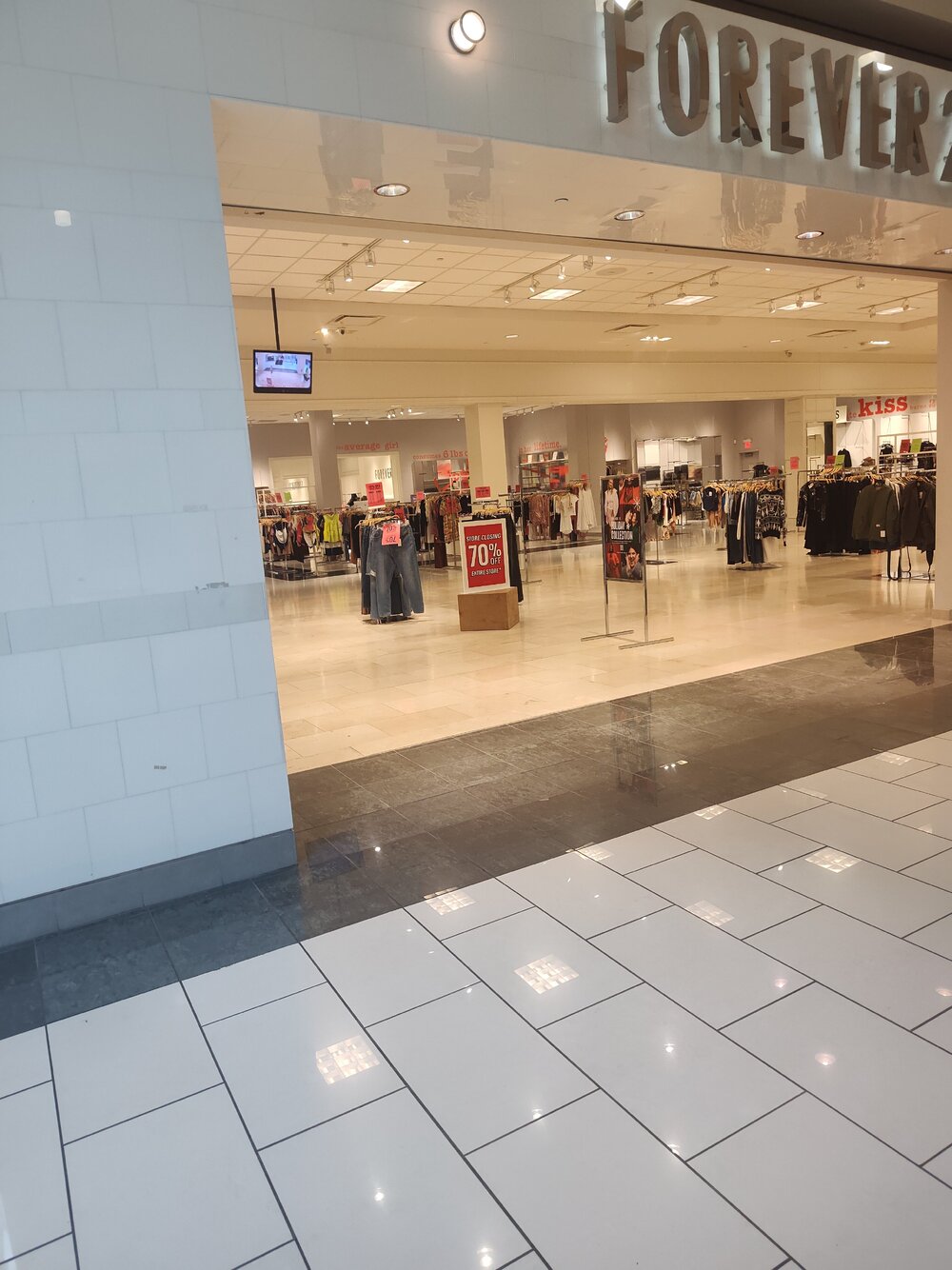
Good bye big boxed
eeeee ... not so much with them I think. Like using atomic weapons on Godzilla, they just got bigger and stronger.

Good bye big boxed







Even a pandemic can't get rid of those nasty massage chairs. Who the hell wants to 'relax' in a vibrating recliner in the middle of a shopping mall ?



Chicago Mayor Brandon Johnson said he wants to open city-owned grocery stores to serve neighborhoods that have become “food deserts” after four Walmart stores and a Whole Foods closed.
Johnson announced last week that his administration would partner with the nonprofit advocacy group Economic Security Project to put stores in underserved areas of the city — a proposal Republicans called something out of “Soviet-style central planning.“
Four other Chicago Walmarts are still open, which the chain said in a statement “continue to face the same business difficulties, but we think this decision gives us the best chance to help keep them open and serving the community.”
When The Post reached out to Walmart for comment, a company spokesperson pointed to the April press release, which said “that collectively our Chicago stores have not been profitable since we opened the first one nearly 17 years ago.”
Last November, Whole Foods closed in Englewood after six years in the South Side lot — one year before Whole Foods’ seven-year lease was up with its landlord, DL3 Realty.
The location boasted very affordable prices for the grocer’s infamously-overpriced organic goods.
 in the last 72 hours over 20 subway locations closed.looks like the whole franchise ownership went under.
Buy any box sets of favorites you're now stuck with? My geekdom mandated that I have various old movies i.e. Alien, Aliens, Star Wars etc in VHS, then various DVD formats, then we have the remastered special editions, then the re-re-mastered ones ....... all soon to be in the attic or left at the library.Not shutting down, but discontinuing a line of products. Like many, I only buy CDs or DVDs when they simply are unavailable in digital format.
Best Buy to cease selling DVD and Blu-ray media after the holidays